
Activity Books
Showing all 11 resultsSorted by latest
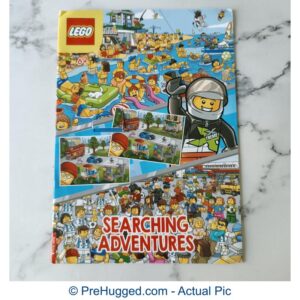
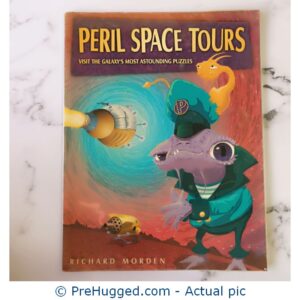
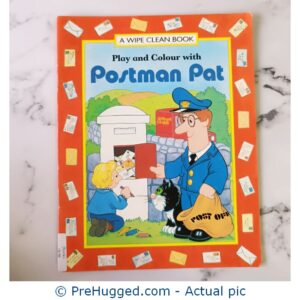
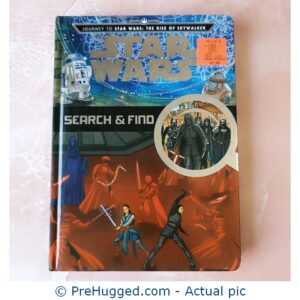
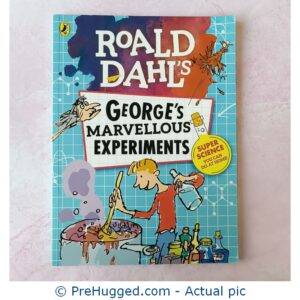
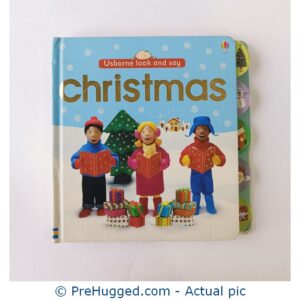
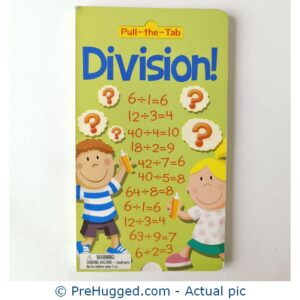
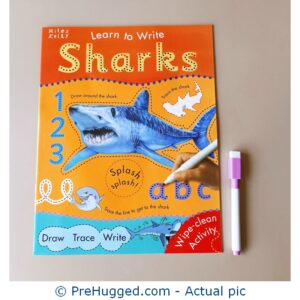
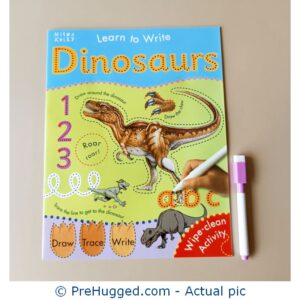
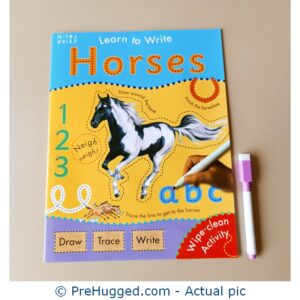
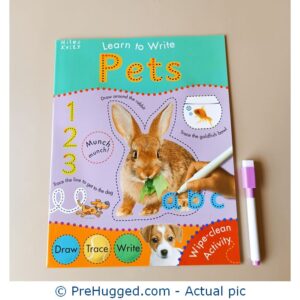
Showing all 11 resultsSorted by latest
Your Guide to Activity Books for Kids
What Your Child Is Developing at Each Stage
At three and four, fine motor control is building — and activity books for kids at this age tap directly into it. You might notice them wanting to fill every blank space with colour, drawing circles, then figures with arms and legs. Colouring, tracing and mark-making are among the ways fine motor development happens, and paediatric guidance at this age explicitly recommends crayons and colouring books as part of daily activity time.
By four to five, pencil grip becomes more deliberate. Writing the first letters of their name is a verified developmental milestone at five, and dot-to-dot, tracing and simple puzzles engage exactly this phase — when the hand is ready for precision it couldn’t manage a year earlier.
At five and six, staying with a task for five to ten minutes is itself a cognitive milestone. Activity books practise this naturally — mazes, matching, colouring all ask for a sustained stretch of focused, independent attention.
From seven upwards, you might notice a shift toward tasks with answers — puzzles, word searches, logic challenges. The child is no longer just doing; they’re thinking toward an outcome.
Why Doing the Book Is Different from Reading It
In every other category, children receive the content. In an activity book, they complete it.
That difference changes what the format practises. Colouring develops hand-eye coordination and the ability to work within a boundary. Sticker activities require sorting and matching — early classification. Mazes and puzzles require spatial reasoning and sequential thinking. Word searches ask a child to hold a pattern in mind while scanning for it.
These are not passive skills. And the format that develops them asks children to work independently — to open a book, start a task, and stay with it without being guided through every step. That capacity for independent, focused engagement is something activity books practise in a way that story books and picture books don’t.
Choosing the Right Activity Book from This PreHugged Collection
Age is the primary filter, because the gap between a colouring book for a three-year-old and one for an eight-year-old is significant.
For three to four, look for large simple outlines to colour, easy sticker matching, and dot-to-dot with low numbers. At this age, the doing is the point — not the complexity.
From four to six, look for tracing, simple maze formats, and activity books that introduce numbers or letters through hands-on tasks.
From six to eight, themed books — animals, science, art — with word searches, step-by-step drawing or more complex puzzles hold attention well. Multi-step activities are manageable now.
From eight onwards, logic puzzles, crosswords and code-breaking activities work well — the challenge is now part of the appeal.
Every copy here is shown in actual photographs of the exact copy being sold, so you can see how much activity content remains before you decide.
Why Preloved Makes Particular Sense for Activity Books
A barely-used activity book is genuinely valuable preloved — and unusually so, because what you’re buying is usable pages.
This collection is selected on that basis. Usborne’s puzzle and activity series feature heavily — built for sustained use, with high page counts, varied formats and age-appropriate challenge that doesn’t exhaust itself in one sitting. A well-chosen Usborne activity book with most of its pages untouched is a genuinely useful preloved find.
Activity books where the content — not a licensed character or novelty format — is clearly the reason to buy are favoured in this selection. Substantial page counts, varied activity types and age-appropriate challenge make the cut. Thin collections with a single activity type generally don’t.
Every copy shown is the exact copy available — actual photographs, so what you see is what arrives.
The PreHugged Check for Activity Books
With activity books, the standard preloved checks are not enough. Condition matters, but completion status matters more.
A colouring page that has been coloured is spent. A puzzle already completed has no value. A sticker sheet with all stickers missing cannot be restored.
Every copy here has been checked specifically for this. Colouring pages are inspected and confirmed uncoloured. Puzzle and maze pages are confirmed uncompleted. Sticker sheets are confirmed usable. Written activity sections are confirmed blank. Any copy where significant activities have been used is not listed — regardless of how good the book looks otherwise.
Binding and pages are also checked to confirm the book is structurally sound for use. Everything is sanitised before it ships.
What that means: the copy you receive has its activities still in it.
