
Phonics Books
Showing all 16 resultsSorted by latest
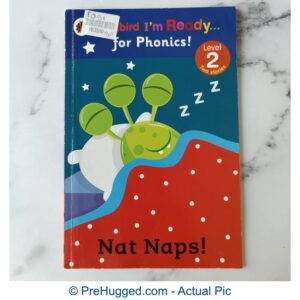
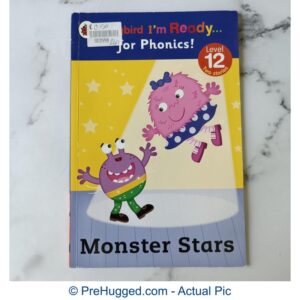
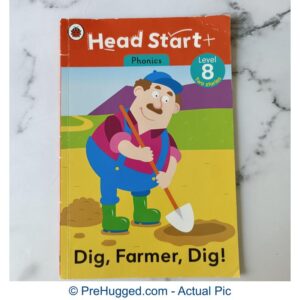
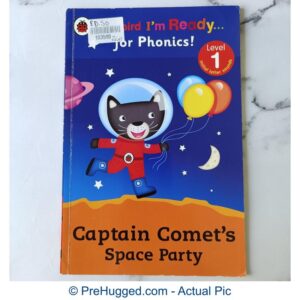
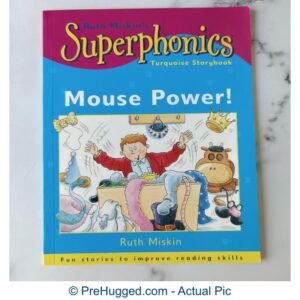
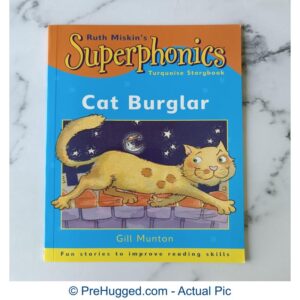
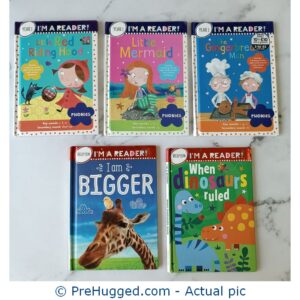
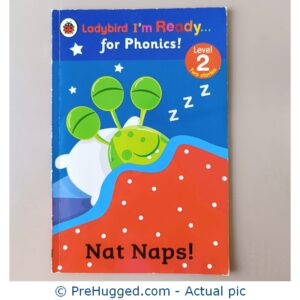
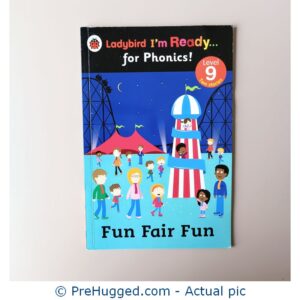
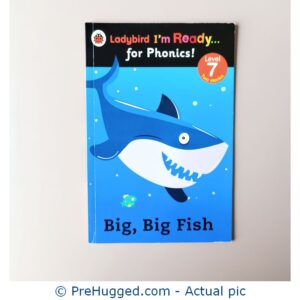
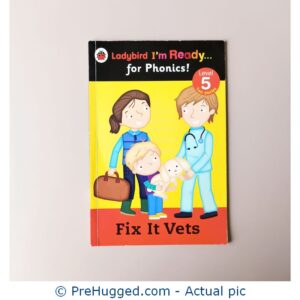
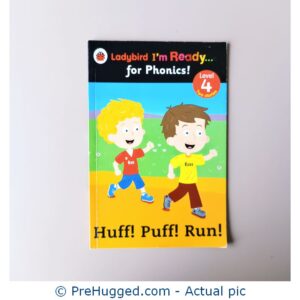
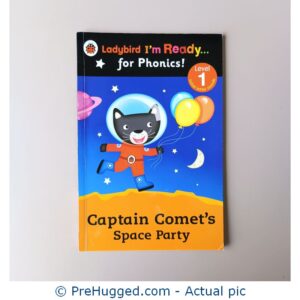
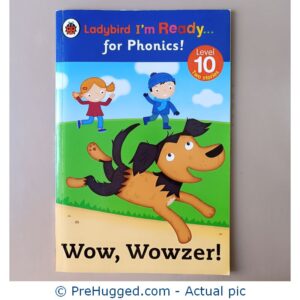
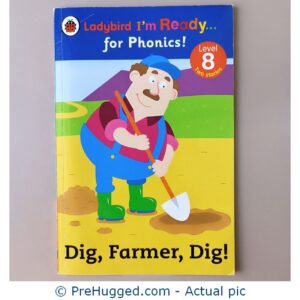
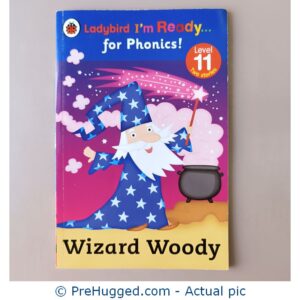
Showing all 16 resultsSorted by latest
Phonics Books for Kids: Choosing the Right Reader for Where Your Child Is Now
Phonics books are not simply easy books. They are built around a specific teaching mechanism: the relationship between written letters and the sounds they represent. When a child reads a phonics book, they are not meant to guess from pictures or memorise whole words — they are meant to use what they have been taught about letter-sound patterns to decode the text on the page. That is a different purpose from a general early reader, and it is why choosing the right phonics book requires a different kind of thinking.
This guide focuses on what phonics books actually do, how to find one that matches where your child is now, and what specifically matters when buying this format preloved.
The Reading Journey PreHugged Phonics Books Are Designed For
Before a child is ready for phonics books, something else happens first. You might notice them beginning to play with sounds in words — clapping syllables, finishing rhymes, noticing that “cat” and “car” start the same way. This awareness of how spoken language is built from sounds is the foundation that phonics instruction builds on.
The next step is the connection between those sounds and the letters that represent them. By five, many children can name some letters and begin to associate them with their sounds. That is when a structured phonics approach — and books that support it — starts to have real traction.
From there, the progression moves through recognisable stages: sounding out simple three-letter words, reading short vowel patterns, then consonant blends and digraphs, then more complex vowel combinations and word families. The exact sequence varies by programme — Jolly Phonics, BOB Books, Usborne Phonics Readers and Oxford Reading Tree each follow their own carefully structured paths, and the terminology and order of introduction differ between them. That is not a flaw; it is how structured phonics works. But it is why matching a book to a child’s current stage matters more than simply picking one labelled for their age.
Paediatricians are clear that readiness varies considerably between children of the same age, and there is no developmental case for pushing formal reading before a child shows the interest and foundations for it. A child who is not yet connecting letters with sounds does not need a more advanced phonics book — they need more time and, often, more shared reading.
Why a Phonics Book Works Differently From Other Beginning Reading Books
The defining feature of a genuine phonics reader is that the text is controlled around taught sound-letter patterns. Every word on the page is decodable using the phonics knowledge the book assumes the child already has, plus a small number of high-frequency words that are explicitly introduced. The child is not expected to guess or recall; they are expected to decode.
That constraint — which can make phonics readers sound less rich than a story book — is precisely what makes them useful at this stage. When a child successfully decodes a word they have never seen before, using a pattern they were taught, that is the skill being built. Research consistently supports systematic phonics as effective for early reading accuracy and word recognition. What it does not guarantee is comprehension or fluency on its own — those develop through a wider reading experience that phonics books support but do not replace.
This is also why a book that looks simple but is not genuinely decodable is a poor substitute. A book with controlled vocabulary that still requires the child to guess from context or pictures is not a phonics reader in the meaningful sense, regardless of what its cover says.
Matching a Phonics Book to Where Your Child Actually Is
The most useful question is not “what age is this book for?” but “what does my child already know, and what comes next?”
If your child is beginning to connect individual letters with their sounds, look for books at the earliest phonics stages — simple CVC words, short vowel patterns, familiar three-letter words. If they are blending confidently at that level, the next stage introduces consonant blends, digraphs and more varied word patterns. Further along, long vowel patterns, word families and more complex multisyllabic words become the territory.
If your child is following a specific phonics programme at school — Jolly Phonics, for example, or a structured synthetic phonics scheme — look for readers that align with the same sequence. Mixing phonics material from different programmes is not harmful, but it can introduce terminology or letter-sound associations in a different order from what the child has been taught, which can occasionally cause confusion. Where you can identify the programme, match to it.
Beyond phonics stage, look at whether the book is actually decodable. Flip to a middle page: can you identify the phonics pattern the text is built around? Are there words the child would need to guess rather than decode? A short controlled text is worth more for phonics practice than a longer, richer story that relies on picture support or whole-word memory.
Also consider whether you need a reader or a workbook. A phonics reader gives a child text to decode; a phonics workbook gives them exercises — matching, writing, sorting. Both have a place, but they are not interchangeable if reading practice is the goal.
How This PreHugged Collection Is Selected — and Why It Is Not Simply an Easy-Books Collection
The work in curating phonics books is not finding books that look manageable. It is identifying books where the phonics structure is genuine, the progression is coherent and the copy is in a condition where the learning value is intact.
Every title here has been chosen by parents who understand the difference between a decodable reader and a general beginner book. That means looking at the actual phonics content — what patterns the book covers, whether the text is genuinely controlled, and whether the book sits in a logical place within a recognisable series or progression. Series such as Usborne Phonics Readers, BOB Books and Oxford Reading Tree phonics lines have consistent, carefully sequenced progressions across their levels; those characteristics make them possible to curate accurately for a child at a specific stage, which is not possible with arbitrary easy-reading titles.
What does not make the cut: books where a phonics label has been applied loosely to a general beginner story; workbooks with completed exercises or written-in answers; numbered series where a volume is missing in a way that breaks the progression; and any copy where the text itself — the graphemes, the individual words — is not fully legible.
The photos of the exact book copy, and on many books actual video too, exist because in this category, what you see is what matters. A parent choosing a phonics book for a child working through a specific reading stage needs to know that this book copy, in this condition, is still a fully usable learning tool.
The PreHugged Check — What We Look for in Every Phonics Book
The condition risks in a preloved phonics book go beyond what a general used-book check would catch. A copy can look presentable — clean cover, intact spine — while being materially less useful than it appears.
The risks that matter specifically here: a workbook or activity page that has been written in removes the practice value of that exercise entirely, not just partially. A book missing from a numbered phonics series does not just shorten the collection — it can create a gap in the child’s decoding progression that the remaining books cannot bridge. Text that is obscured, faded or damaged on a phonics page affects the child’s ability to read the actual words they are there to decode.
Every copy in this collection goes through the PreHugged Check before it is listed. For phonics books, this means the condition of the text itself is examined — not just the overall appearance of the pages. Binding is checked because phonics readers are used repeatedly, often daily, during an active reading-practice period. The overall condition is assessed with one question in mind: is this copy still a fully usable learning tool, or has something about its condition reduced what it can do?
Sanitisation is carried out on every copy before it is packed.
What this means for you is that the two questions a parent most needs answered before buying a preloved phonics book — is this copy complete, and is it still usable for reading practice? — have been handled before the listing goes live. You are looking at the exact copy, shown as it is, checked by a parent who understands that in this category, condition and completeness are not cosmetic considerations.
