
Comics and Graphic Novels
Showing 1–20 of 41 resultsSorted by latest
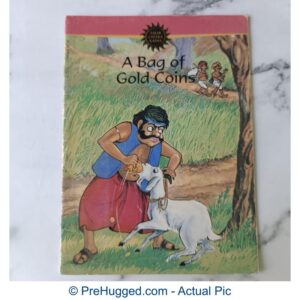
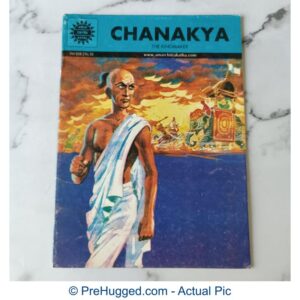
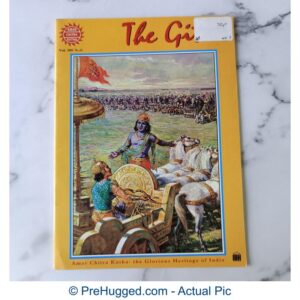
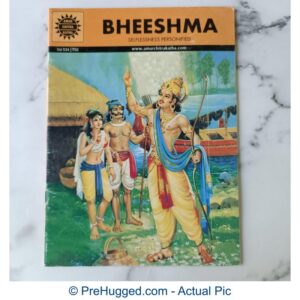
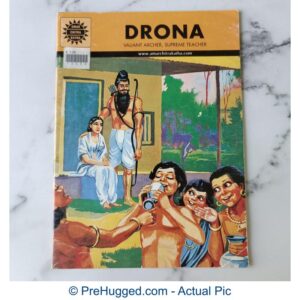
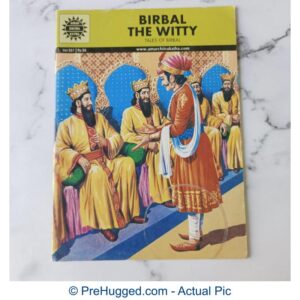
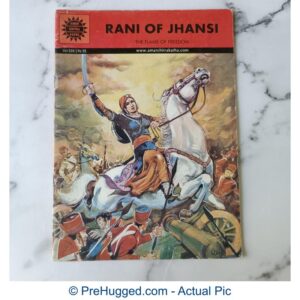
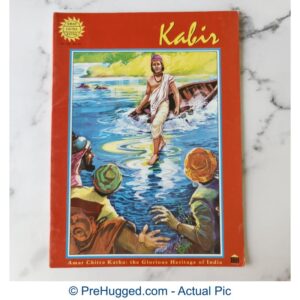
Showing 1–20 of 41 resultsSorted by latest
Your Guide to Graphic Novels for Kids and Children’s Comics
What Reading This Format Actually Requires
Reading comics and graphic novels is not less demanding than prose — it is differently demanding.
A panel-based story requires a reader to make inferences: what happened between this panel and the next? Speech bubbles place text inside the image, asking the reader to navigate two information streams at once. Panels build cause and effect through implication, not always explanation.
This is why educators and literacy researchers now recognise graphic novels as legitimate reading — the cognitive processes involved are similar to those used in prose comprehension. Research specifically identifies inference, sequencing and reading comprehension as skills the format strengthens.
For children in the early stages of reading independence — images provide context that makes the text more accessible. For more confident readers, the format offers narratives with enough complexity to hold genuine interest.
The Question Parents Often Ask
There is a persistent idea that graphic novels are for children who cannot manage prose. Research says the opposite.
Multiple studies show that children who read graphic novels read more volume overall — not less — and that graphic novel reading does not displace prose fiction. Children who engage with this format tend to read more, across all formats.
For children who are reluctant to read, the visual-text combination offers a way into narrative that prose cannot always provide. For children who are already fluent readers, the same format offers a different kind of narrative engagement — one that builds inference, visual literacy and the sustained attention that all reading requires.
This collection includes titles that work at both ends of the reading spectrum and across the ages between.
Choosing from This PreHugged Collection
Reading confidence and interest in format both help narrow the choice here.
Captain Underpants works for children who resist chapter books but will commit to something funny. The chapter-graphic novel format means more text than a comic strip but far more accessible than a standard chapter book — and it is one of the most documented gateway series for reluctant readers specifically.
Geronimo Stilton graphic novels work for children building confidence who want adventure and humour with strong visual support throughout.
Archie Comics work for almost any age — character-driven, episodic, and recognised by Indian parents who grew up reading them. The format is immediately accessible to a new reader and holds up across many issues.
Illustrated adaptations of classic texts — including Chaucer’s Canterbury Tales — work for children of 10 and above who are ready to encounter canonical literature but not yet in its original language.
Every title in this PreHugged collection is shown in actual photographs of the exact copy being sold.
Why Preloved Makes Particular Sense for This Format
A graphic novel or comic in good condition reads exactly the same as a new one. The story does not degrade. The panels do not lose their sequence. The characters are just as funny, or as tense, or as strange as they were when the book was printed.
This collection is curated for the titles children actually want to read — not simply whatever is available in stock. Captain Underpants and Geronimo Stilton series titles are selected with series continuity in mind, because a child who starts a series needs to be able to continue it. Archie Comics are selected for condition and completeness, since the episodic format means every issue should be readable independently.
For illustrated classic adaptations, the selection criterion is clarity and completeness: the visual narrative must be fully legible and uninterrupted.
The PreHugged Check for Comics and Graphic Novels
The specific concern with preloved comics and graphic novels is format-related. These books often have softcover spines and lighter-weight paper than standard chapter books, which makes them more susceptible to particular kinds of wear.
Every copy is checked for spine integrity — the most common failure point, where binding begins to split at the top or bottom edge. Pages are checked for tears, missing sections and legibility throughout. Covers are confirmed intact. Any copy where a page is missing or text has been rendered unreadable is not listed.
Written or drawn-over pages are checked to confirm the story remains fully legible throughout.
Everything is sanitised before it ships.
A graphic novel in sound condition is a complete reading experience. That is the only standard this collection is held to.
