
Story Books
Showing 1–20 of 105 resultsSorted by latest
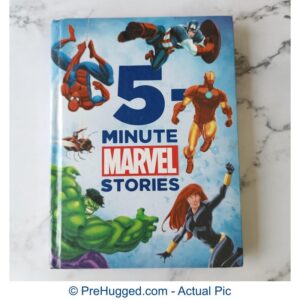
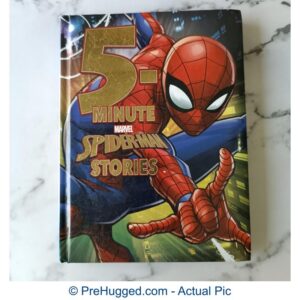
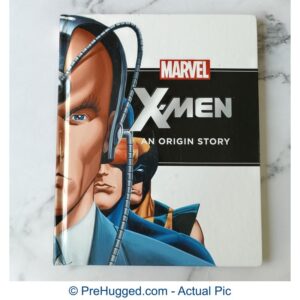
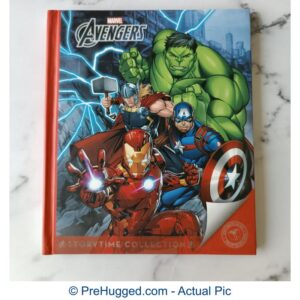
Showing 1–20 of 105 resultsSorted by latest
Your Guide to Story Books for Kids — From First Read-Alouds to Chapter Fiction
What Their Story Habits Are Telling You
At three, a child asking what the character is doing in a picture book is already practising narrative comprehension — tracking action, wondering about cause.
By four, many children can predict what comes next in a well-known story. Knowing what follows what in a familiar sequence is a cognitive milestone at this age. And the pretend play that follows — becoming a lion, a firefighter, a specific character from a book they loved — is the story continuing to do its work outside the page.
At five, a child who has been listening to stories starts retelling them, with a beginning, a middle, and something that happened. Paediatric guidance counts this as a language milestone: telling a story, heard or made up, with at least two connected events.
From six, the shift to reading begins for most children. What they can understand when heard and what they can read independently are far apart at first — closing gradually to simple chapter books around seven, longer fiction at eight or nine, and by ten or eleven, books chosen entirely by the child’s own preference.
What a Story Book Does That Other Books Can’t
A story book is not an illustrated reference book. The difference is investment — in a character, in what happens to them, in whether things work out.
That investment is what makes narrative fiction such an effective vehicle for vocabulary. Words met inside a story — with context, consequence, and feeling around them — are retained differently than words encountered in isolation. A child who heard “bewildered” in a chapter they were absorbed in already knows what bewildered feels like.
Narrative structure — beginning, complication, resolution — also builds the mental frameworks children need for sequencing events and understanding cause and effect. For younger children still being read to, there is a further function: hearing stories aloud exposes them to sentence structures and emotional vocabulary that everyday conversation rarely reaches.
Choosing the Right Story Book at Each Stage
Age is the most useful starting filter, but reading confidence and interest matter equally — and they don’t always line up with the number on the label.
For children under five, shorter texts with more illustration work best. Repetition and rhythm build prediction. Familiar settings — home, family, small daily adventures — give a young child the grounding to follow a plot.
Between five and eight, many children are in transition. They can follow a longer text read aloud before they can read it independently. Illustrated chapter books bridge that gap: manageable text per page, a few images per chapter.
From eight onwards, interest drives everything. A reluctant reader often responds to humour, adventure, or a series. A series matters — a child who already knows the characters is far more likely to reach for the next book.
Why This PreHugged Collection Runs from Three to Twelve
Story books are the format where buying preloved makes complete sense. The story doesn’t degrade. A well-maintained copy of a Roald Dahl or Julia Donaldson title has every word intact. The value is in the reading, and a preloved copy delivers that fully.
This collection was built deliberately across the full age range — not weighted toward one stage, and not simply assembled from whatever arrived in stock. For younger children it leans toward illustrated narrative, where image and text work together to carry attention through a plot. For older readers, toward the chapter fiction Indian parents reach for at every stage: Enid Blyton, Roald Dahl, Usborne’s First Reading series.
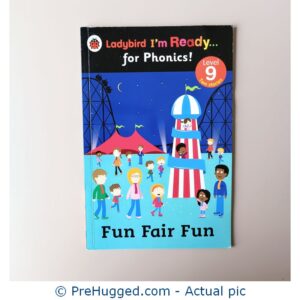
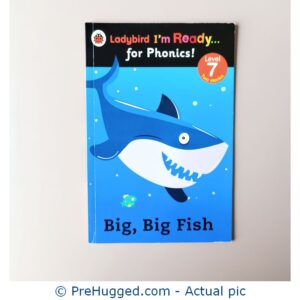
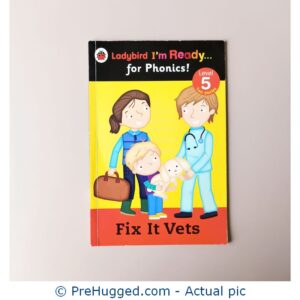
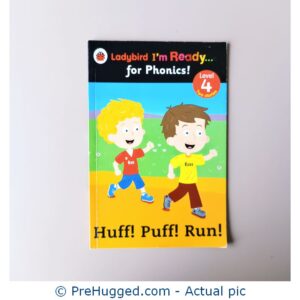
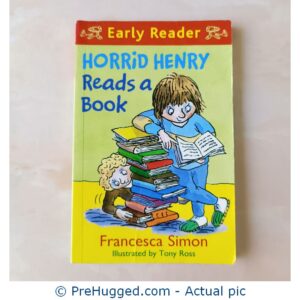
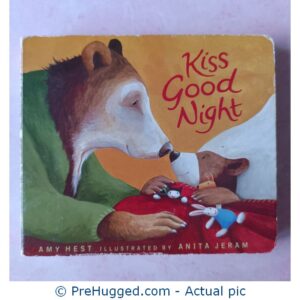
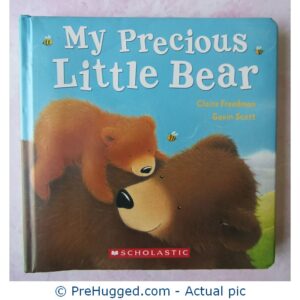
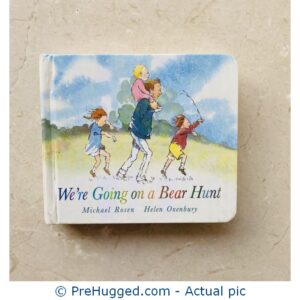
Every copy is shown in actual photographs of the exact copy being sold. For story books, being able to see every page before you decide matters.
The PreHugged Check for Story Books
For story books, one concern overrides everything else: the story must be complete, and it must be readable.
Every page is checked — present, and legible. A missing page means the story cannot be finished. Faded, stained, or heavily written-over text means the copy cannot be read, and it doesn’t go up regardless of how it looks from the outside. Spine and binding are checked to confirm the book holds together through a full reading session.
What doesn’t disqualify a copy: a name on the inside cover, a sticker on the back, light shelf wear at a corner. These don’t affect the reading experience. Every parent who views the actual photographs will see exactly what is there before deciding.
Every copy is sanitised before it ships.
The story is complete. That is the one thing that matters.
